Introduction
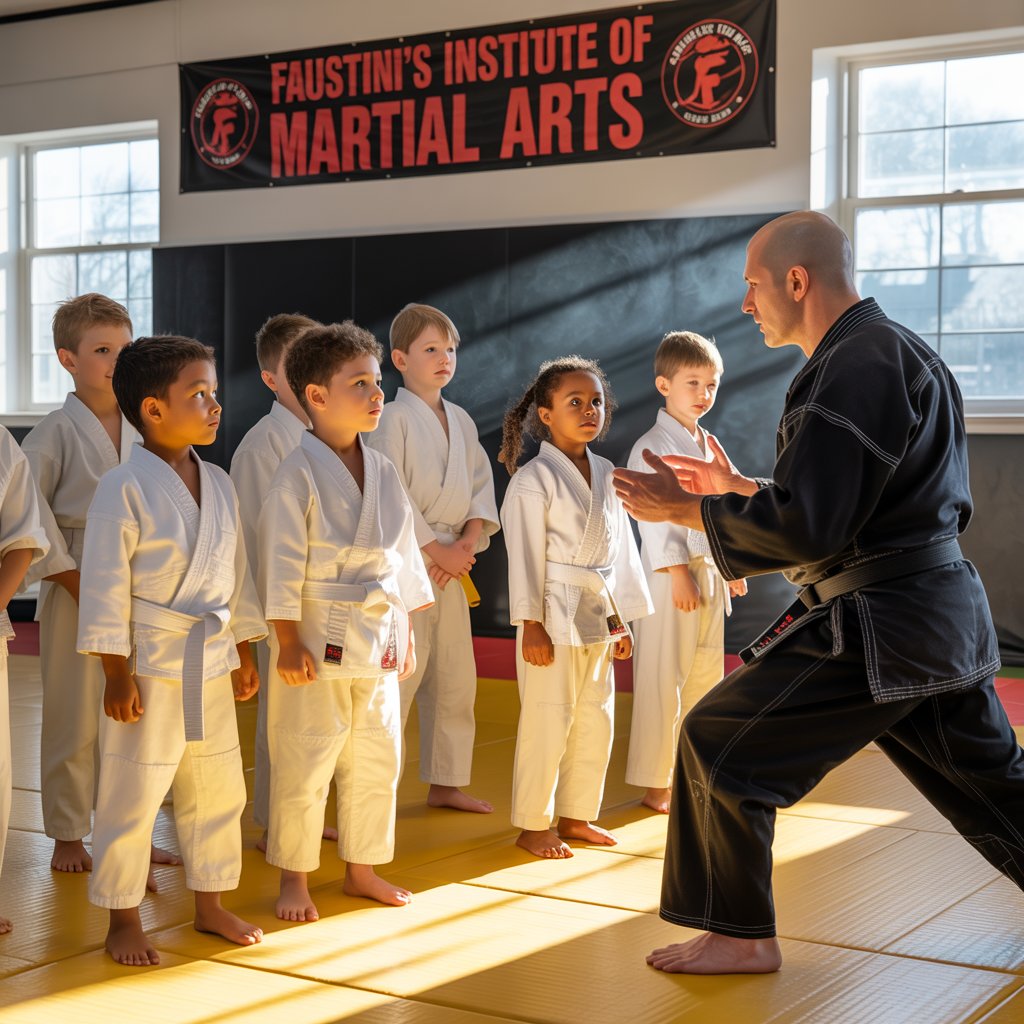
In today's world, ensuring the safety of our children is a paramount concern for parents everywhere. As they navigate their way through childhood, learning to protect themselves while cultivating important life skills becomes essential. One effective avenue for this development is through children's martial arts programs. These programs not only teach self-defense tactics but also instill confidence, discipline, and emotional intelligence in kids. In this article, we will explore the myriad benefits of martial arts for kids, delve into the intricacies of karate versus team sports, and examine how these practices foster personal growth and life lessons.
Understanding Self-Defense and Safety Through Children's Martial Arts Programs
Self-defense is often misconstrued as merely knowing how to fight; however, it encompasses much more than that. Understanding self-defense and safety through children's martial arts programs means equipping kids with the tools they need to navigate challenging situations both physically and mentally. Programs like karate teach children the importance of situational awareness, conflict resolution, and respect—elements that go beyond physical skills.
The Fundamentals of Self-Defense in Martial Arts
Situational Awareness- One of the first lessons in self-defense is understanding one's surroundings. Children learn to recognize potential threats and assess their environments effectively.
- Confidence through karate is a cornerstone benefit that empowers children to stand tall in various life situations.
- Children are taught how to defuse potential conflicts without resorting to violence whenever possible.
- Basic self-defense moves help children understand how to protect themselves should the need arise.
- Kids learn not just physical strength but also mental fortitude—an essential aspect of self-defense.
Benefits of Martial Arts for Kids: Beyond Self-Defense
Martial arts offer a plethora of benefits extending far beyond mere self-defense capabilities:
1. Physical Fitness for Kids
Martial arts classes are an excellent way for children to stay active and fit. The intensity of training sessions improves cardiovascular health, flexibility, strength, and coordination.
2. Emotional Intelligence in Kids
Through martial arts training, kids learn about patience, empathy, and respect—key components of emotional intelligence that are instrumental in their personal lives as well as social interactions.
3. Leadership Through Karate
Participation in martial arts encourages children to take on leadership roles within their classes or teams. They learn responsibility by helping others achieve their goals.
4. Goal Setting: A Key Element
Kids goal-setting martial arts activities develop focus by teaching them how to establish realistic objectives throughout their training journey.
5. Non-Competitive Sports for Children
While some may view martial arts as competitive sports like karate vs team sports, many programs emphasize non-competitive elements where children can grow at their own pace without the pressure of competition.
Karate vs Team Sports: Which Is Better?
When evaluating karate vs team sports for children's development, it's essential to consider what each offers:
| Feature | Karate | Team Sports | |------------------|---------------------------------------|--------------------------------------| | Individual Focus | Yes | No | | Self-Paced | Yes | Typically no | | Physical Skills | High | High | | Social Skills | Moderate | High | | Leadership Skills | Yes | Yes |
Karate allows individual growth while teaching discipline and focus which might not always be present in team sports where teamwork takes precedence over personal skill enhancement.

Emotional Growth Through Martial Arts Training
Martial arts provide a https://www.faustinis.com/location/kids-martial-arts-emerson-nj unique platform that nurtures emotional growth among children:
1. Building Resilience
Training involves pushing limits; hence kids learn resilience when they face challenges during practice or competitions.
2. Overcoming Fear
Confronting fears—be it regarding sparring or performing before an audience—is part of martial arts training that fosters courage over time.
3. Enhancing Communication Skills
Instructors often encourage dialogue about feelings associated with success or failure in training sessions allowing kids to express themselves freely.
Life Lessons from Martial Arts: More Than Just Fighting Skills
Martial arts impart vital life lessons including:
Discipline: Regular attendance teaches accountability. Respect: Respect for instructors and peers cultivates healthy relationships. Perseverance: Success doesn’t happen overnight; persistence pays off. Humility: Learning from mistakes emphasizes growth rather than defeat. Empathy: Understanding others' struggles leads to compassion—a crucial trait today.Independent Activities for Children: A Pathway Through Martial Arts
Children's martial arts programs promote independent activities encouraging them to take ownership of their learning process:
- Setting personal goals Maintaining progress charts Participating in community events outside class
Personal Growth in Martial Arts: A Holistic Approach
The holistic approach taken by most martial arts disciplines ensures well-rounded personal development:

- Mindfulness practices like meditation enhance focus. Physical conditioning promotes overall health. Emotional check-ins during classes foster mental well-being.
FAQs About Children’s Martial Arts Programs
1. What age should my child start martial arts?
Most experts recommend starting between ages 4-6 when basic motor skills are developing effectively.
2. Are there non-competitive options available?
Yes! Many schools offer non-competitive classes focusing on personal growth rather than competition against others.
3. Can martial arts help with bullying?
Absolutely! It equips kids with confidence and techniques for de-escalating potentially dangerous situations while avoiding unnecessary conflict.
4. How do I choose the right program for my child?
Look at instructors’ qualifications, class structure (non-competitive vs competitive), location convenience, and peer reviews from other parents!
5. Will my child become aggressive through martial arts training?
On the contrary! Most programs emphasize respect over aggression teaching students control over their actions instead!
6. Can girls participate equally in these programs?
Definitely! Many successful female athletes thrive within martial arts showcasing equal opportunities regardless of gender!
Conclusion
Understanding self-defense and safety through children's martial arts programs provides holistic benefits that extend into every facet of a child's life—from physical fitness to emotional intelligence and social skills development—making it an invaluable resource for parents seeking empowerment strategies for their little ones! By fostering confidence through karate while emphasizing leadership qualities alongside discipline within independent activities; these programs play a crucial role in sculpting resilient future generations ready to tackle life's challenges head-on! There’s no denying that investing time into martial arts is investing into your child’s future—not just as fighters but as responsible citizens equipped with valuable life skills!